

Etosha National Park
The Great White Place
- Incredible density of 'Big 4' (Lion, Leopard, Rhino, Elephant).
- Unique landscape of the Etosha Pan.
- Self-drive friendly with excellent road marking.
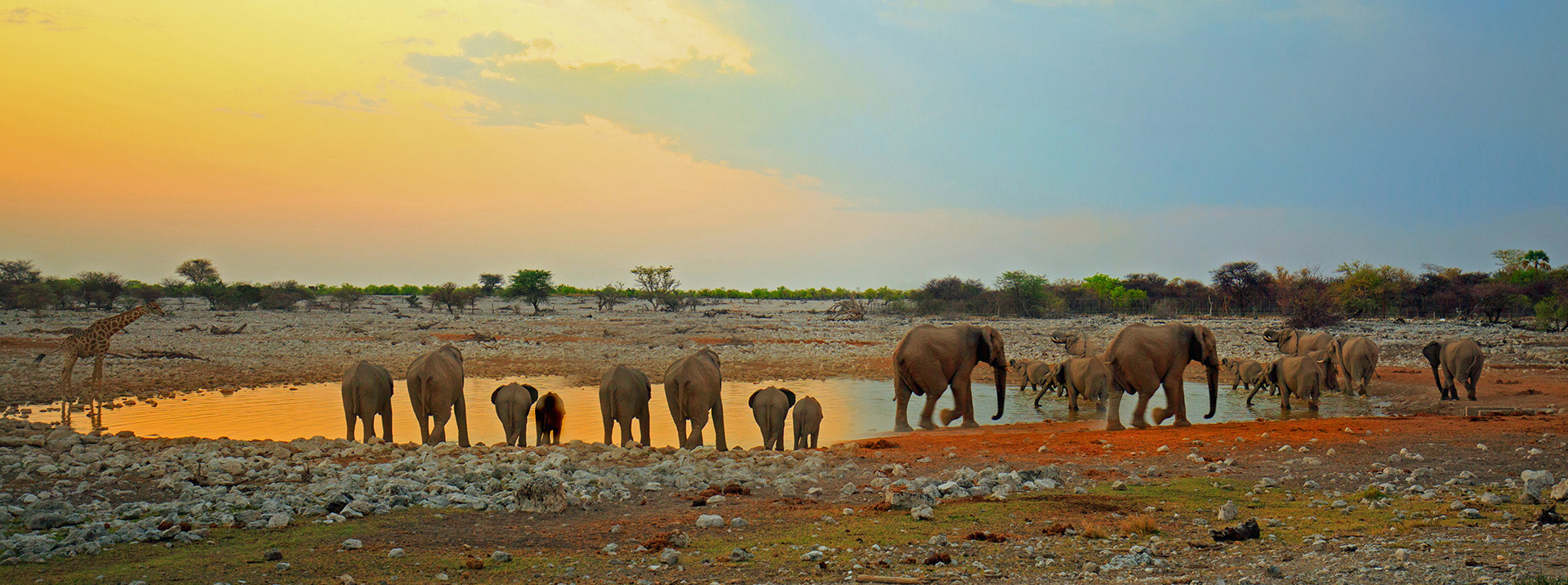
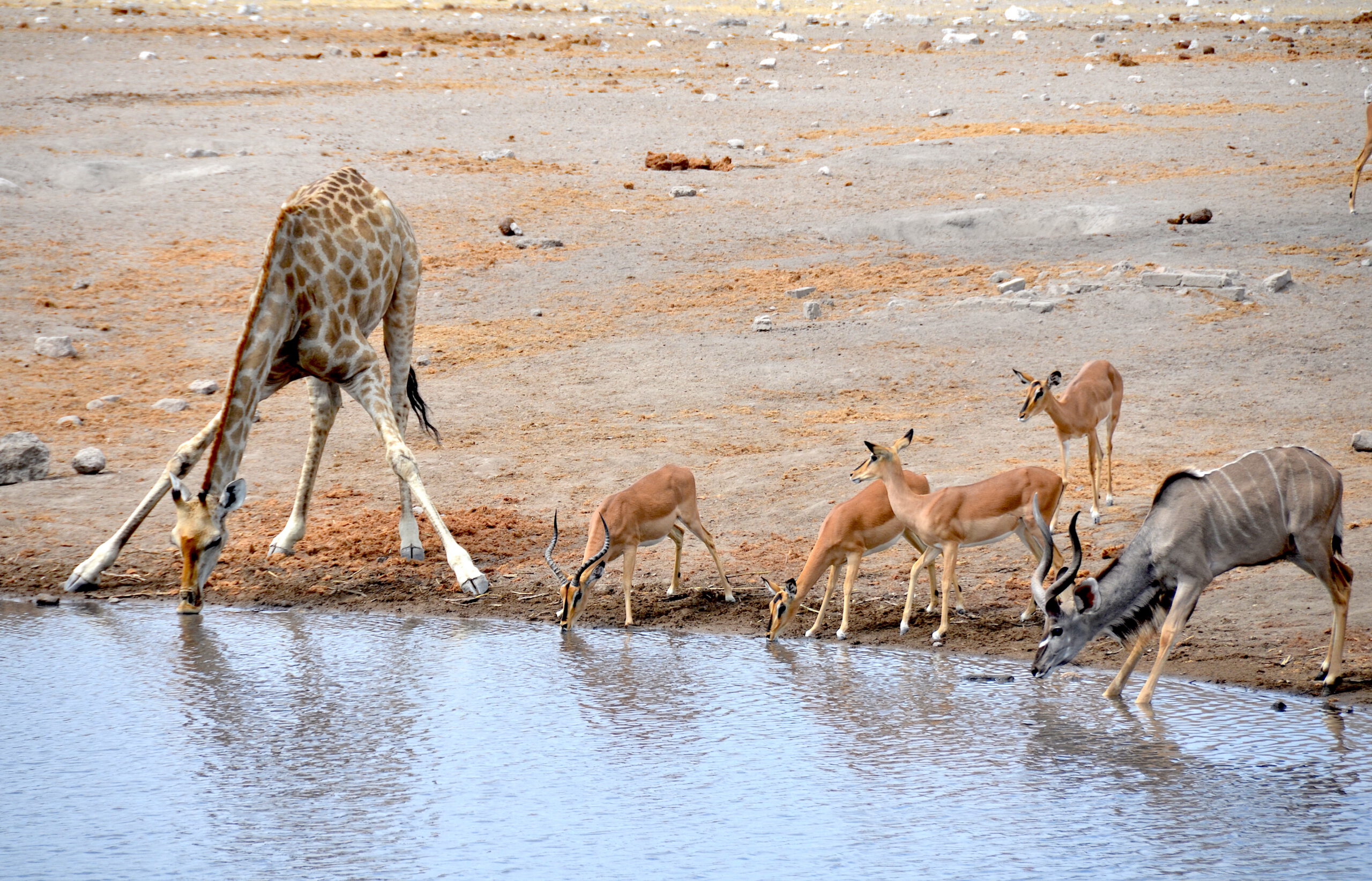
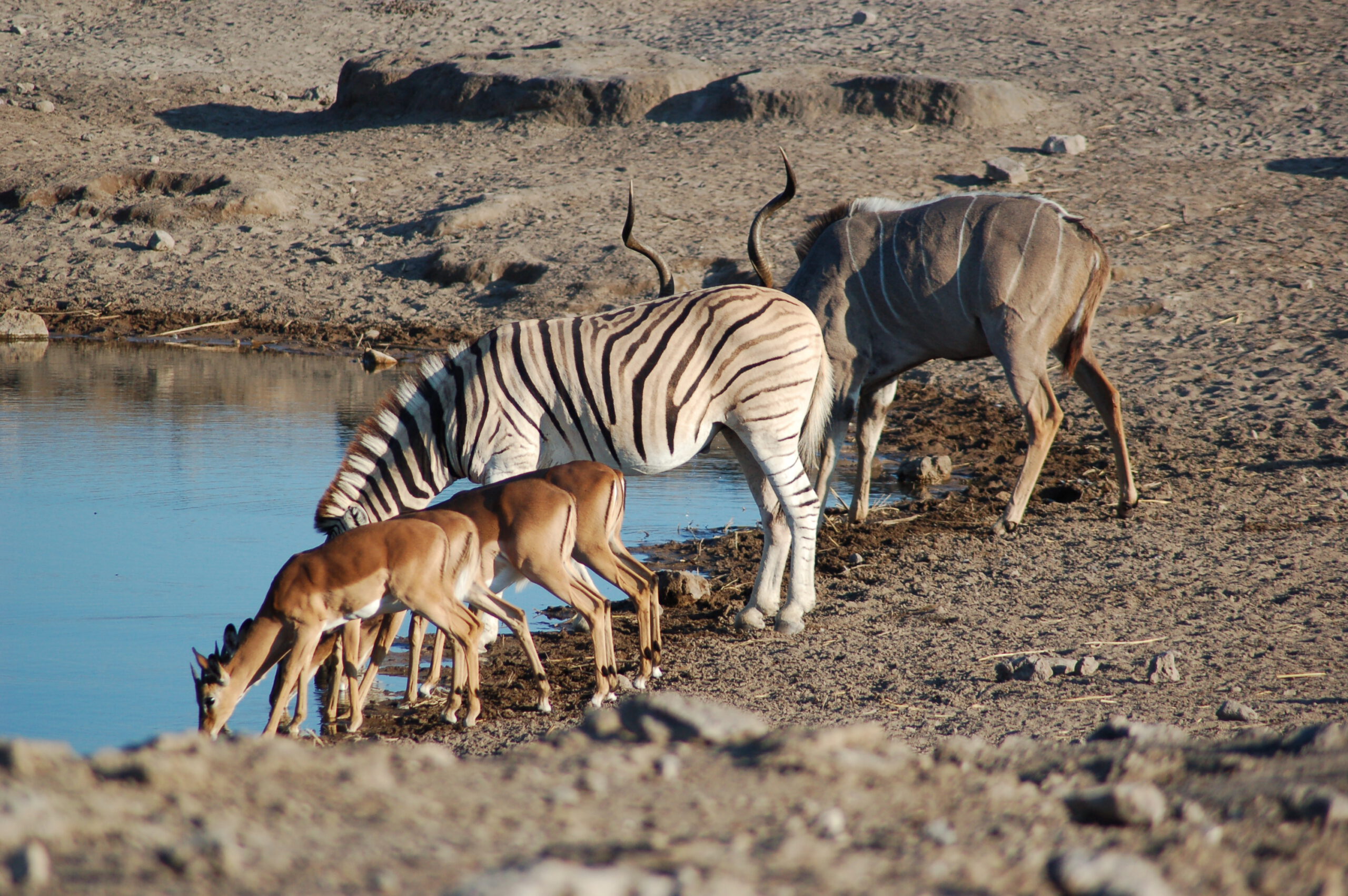
- Floodlit waterholes at main camps for 24-hour viewing.
One of Africa's greatest wildlife sanctuaries, centered around a massive salt pan visible from space.
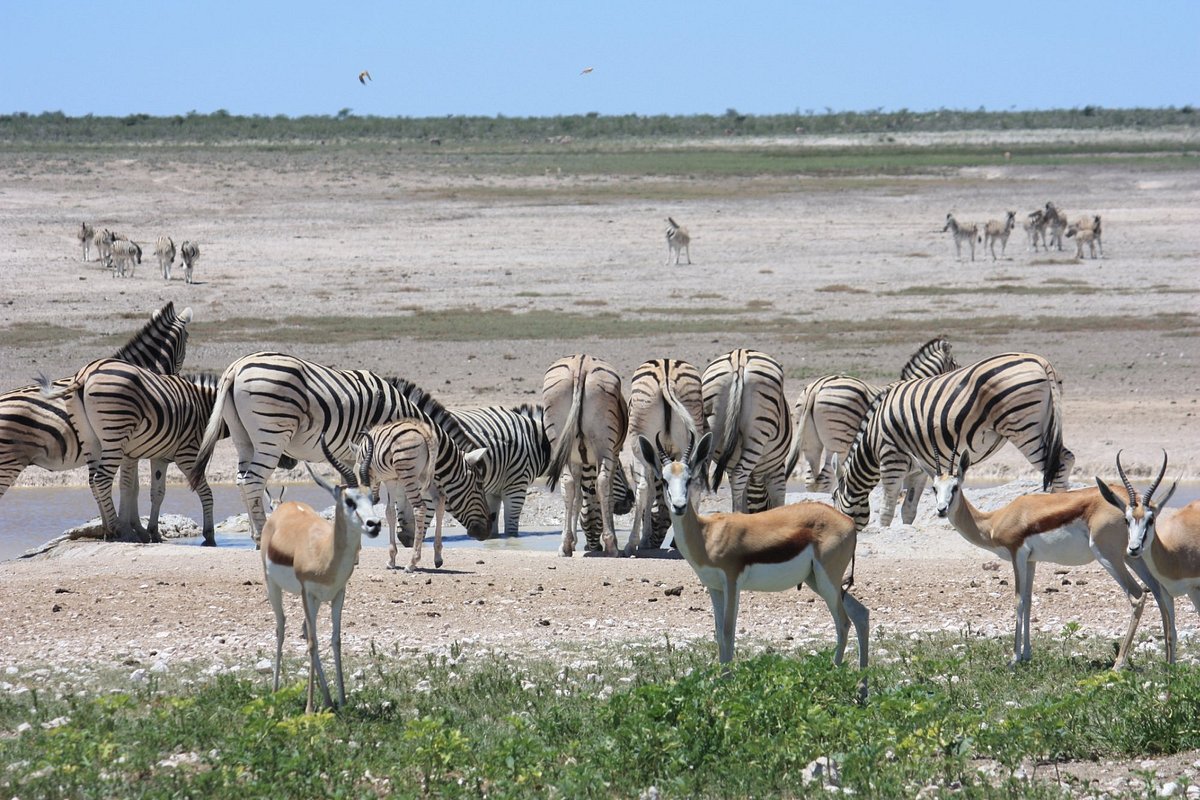
Etosha is Namibia’s flagship park. Spanning over 22,000 square kilometers, it is defined by the Etosha Pan—a vast, shimmering salt crust that transforms into a watering ground for thousands of animals during the dry season.
Activities
Self-Drive Safari
Explore the park’s network of waterholes at your own pace.
Guided Game Drive
Expert-led tours in open-air vehicles for better tracking.
Night Game Drive
Explore the outskirts of the park to see nocturnal species.
Good to know
Wildlife
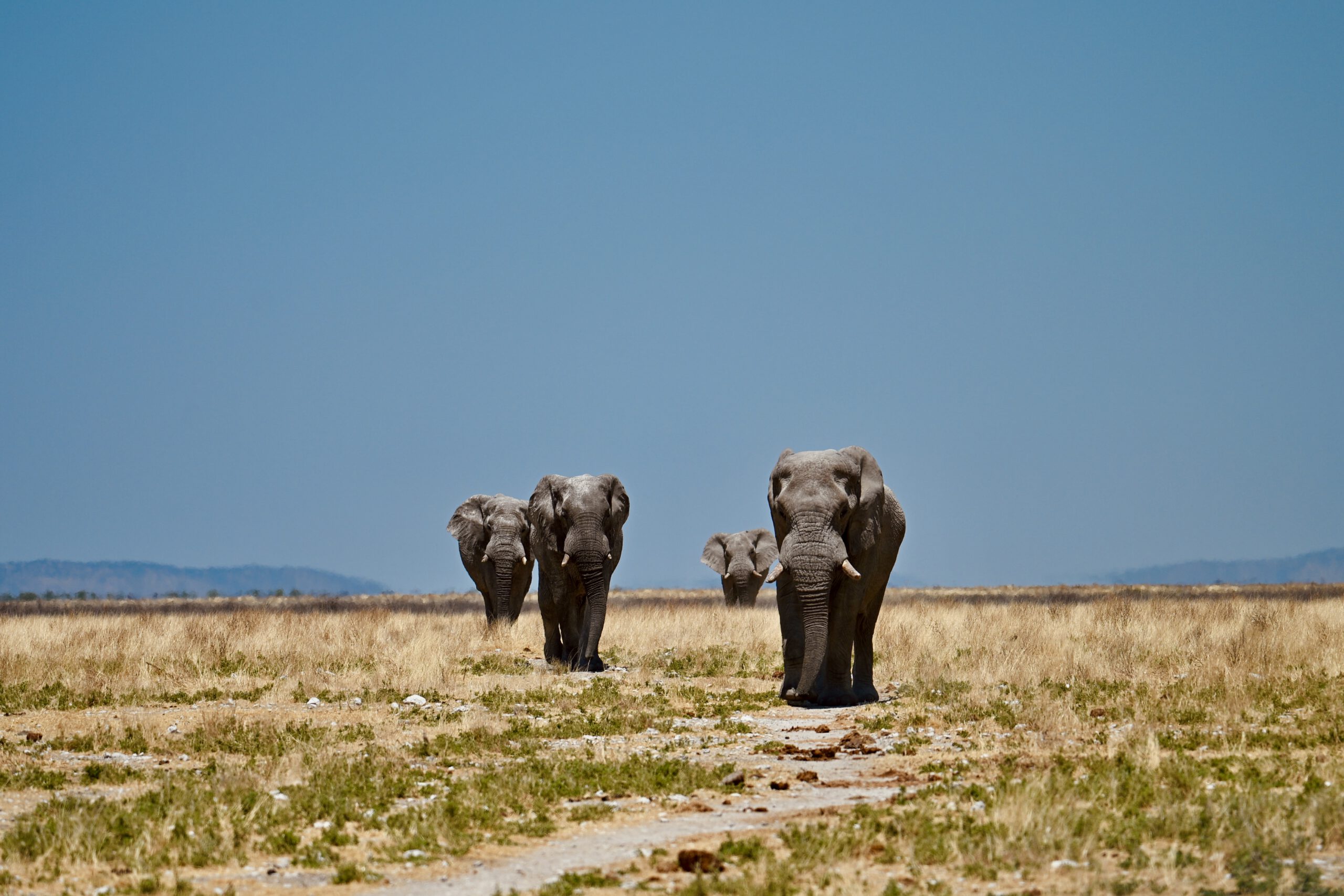
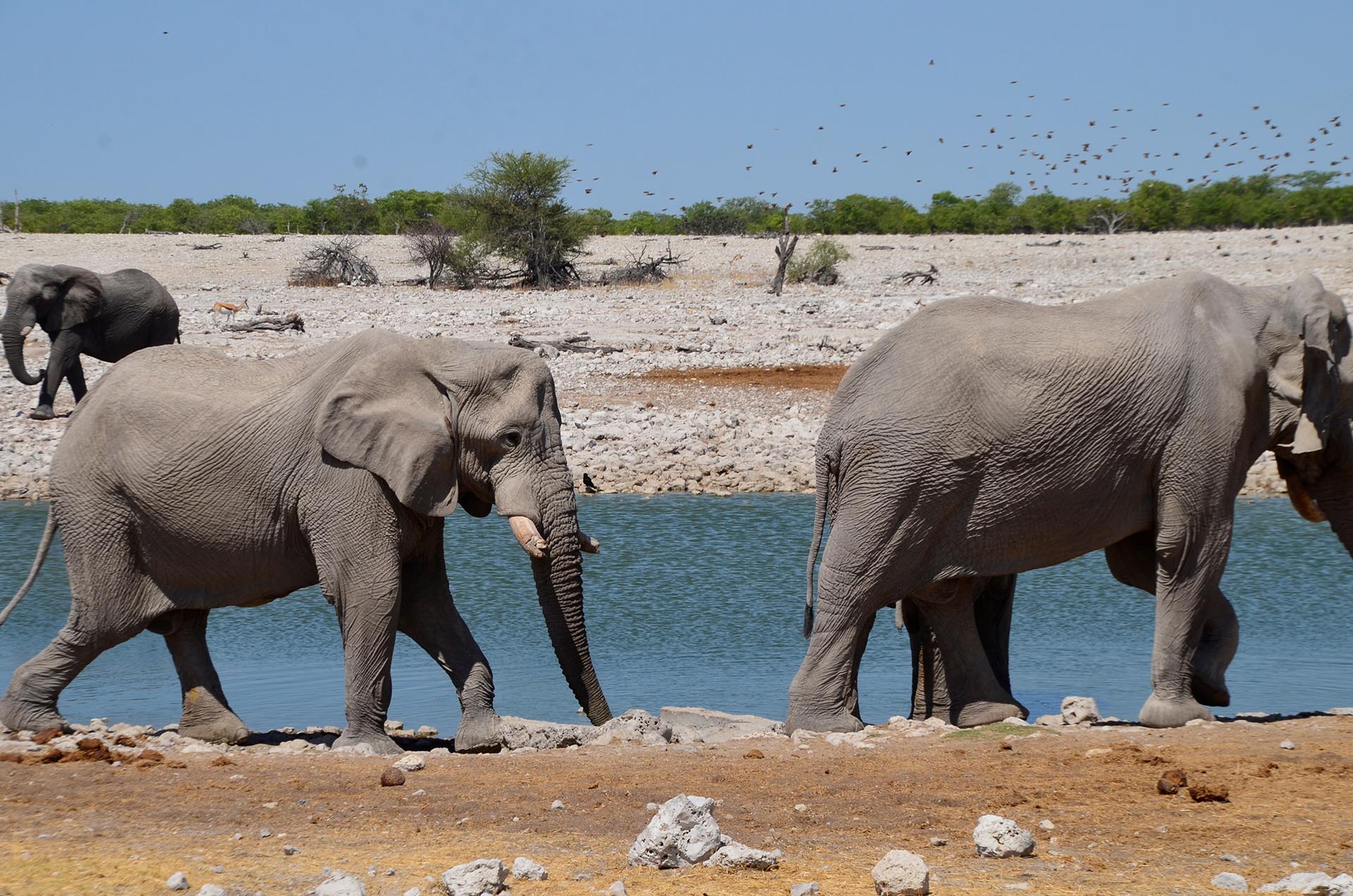
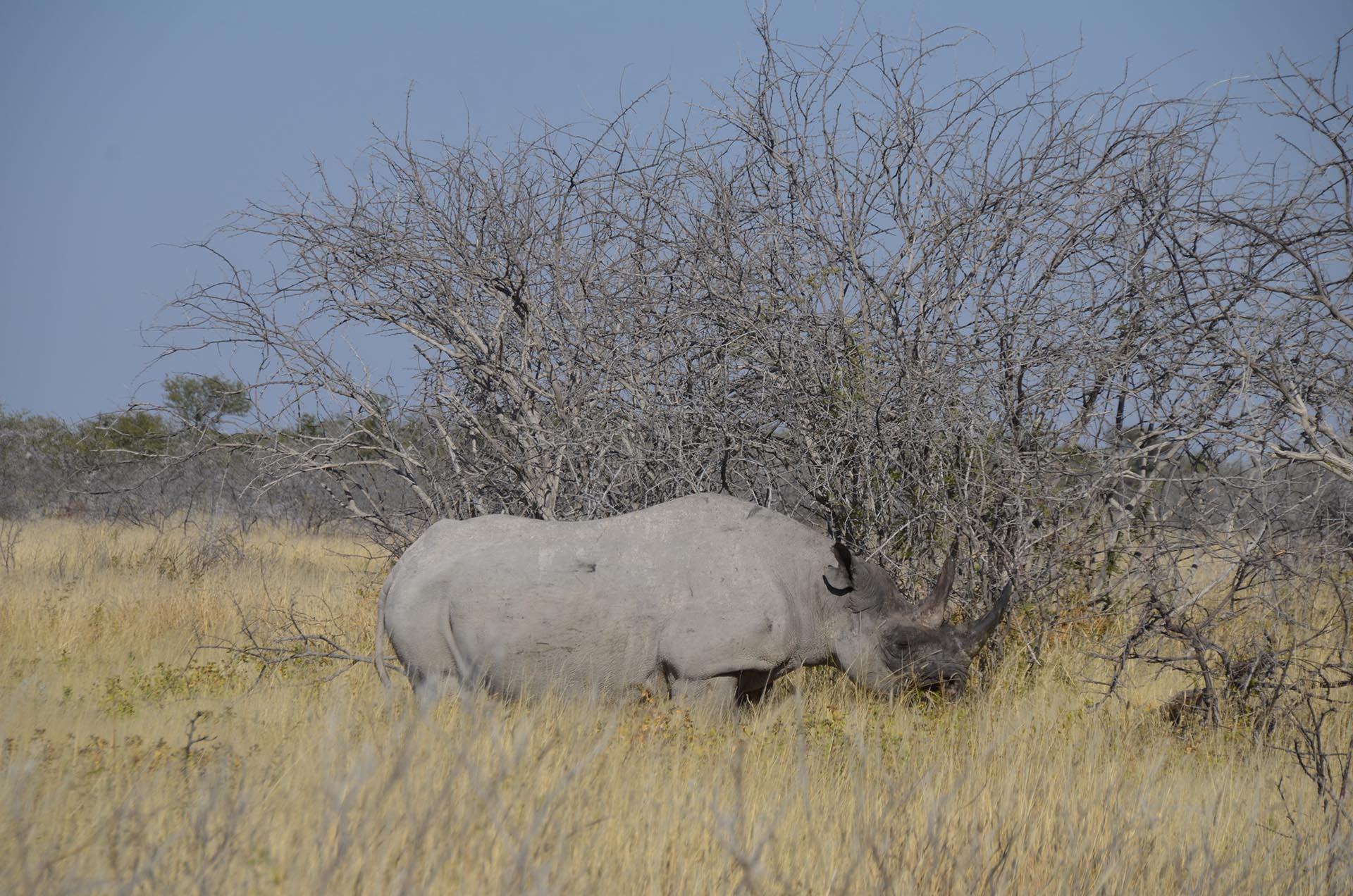
High chance of seeing Black Rhino, Cheetah, and massive 'Dusty' Elephants.
Culture & etiquette
Strictly stay in your vehicle. Drones are strictly prohibited.
Climate
Winter (June–Aug) is dry and cool. Summer (Nov–April) is the rainy season.
Safety
Adhere to speed limits (60km/h). Be inside the camp gates before sunset.
Accessibility
Moderate; main camps have accessible chalets and ramps.
Planning & logistics
- Accommodation styles
- Luxury Private Reserves or NWR Government Camps.
- Recommended trip length
- 3 Days.
- Nearby bases
- Okaukuejo, Halali, Namutoni (Inside); Ongava or Mushara (Private).
- Transfer options
- Self-drive (most popular), Fly-in Safari, Guided Shuttle.
- Permits & park fees
- Daily fees payable at the gates (Anderson or Von Lindequist).
- Combine with
- Damaraland (West), Windhoek (South), or Caprivi/Zambezi (East).
- Booking notes
- Inside camps (Okaukuejo) often book out 12 months in advance.
Frequently asked
- Can I visit in a small car?
- Yes, but a vehicle with higher clearance provides a better view.
- Is there malaria?
- The north is a higher risk area; consult a doctor.
Gallery
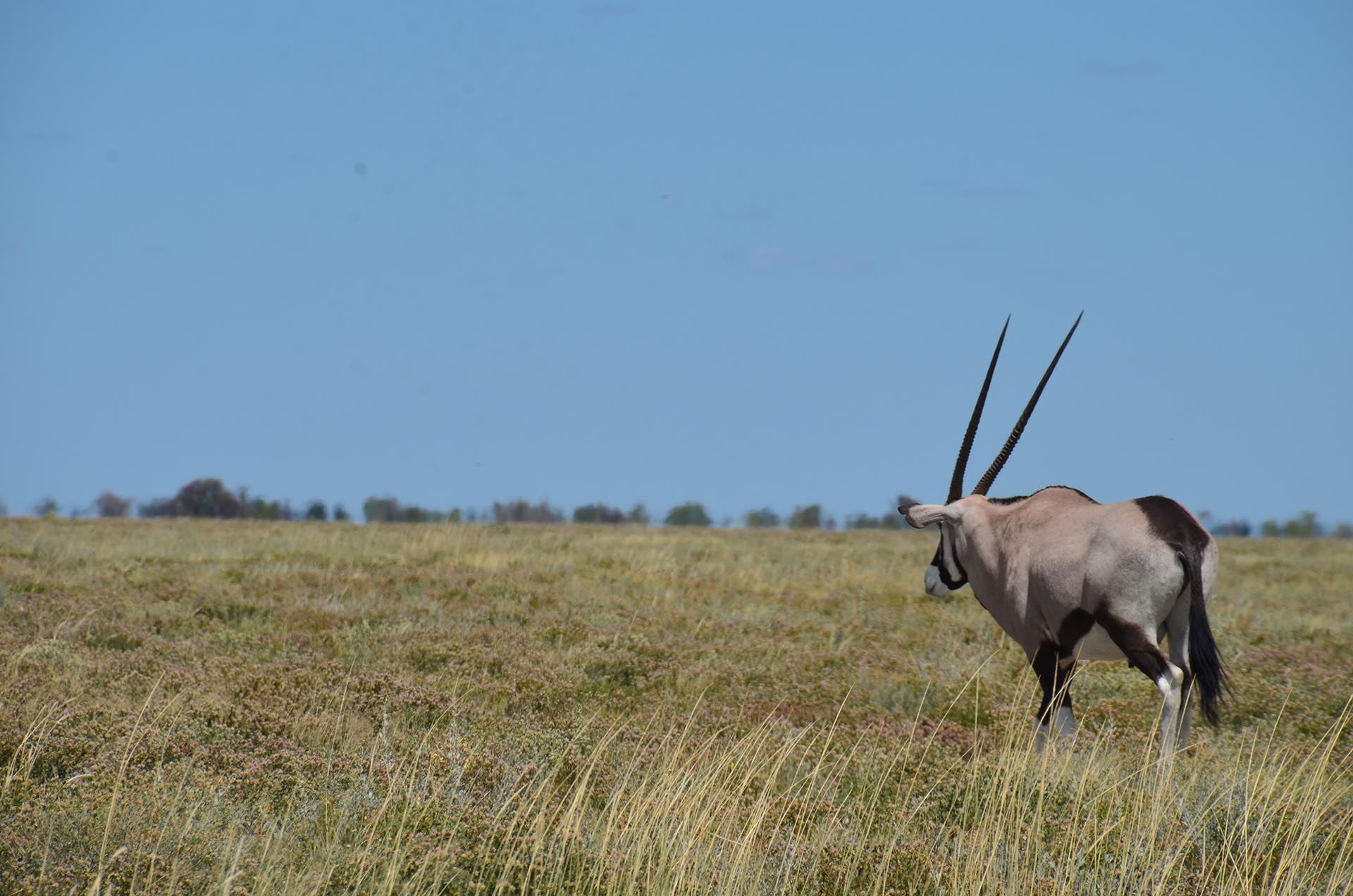
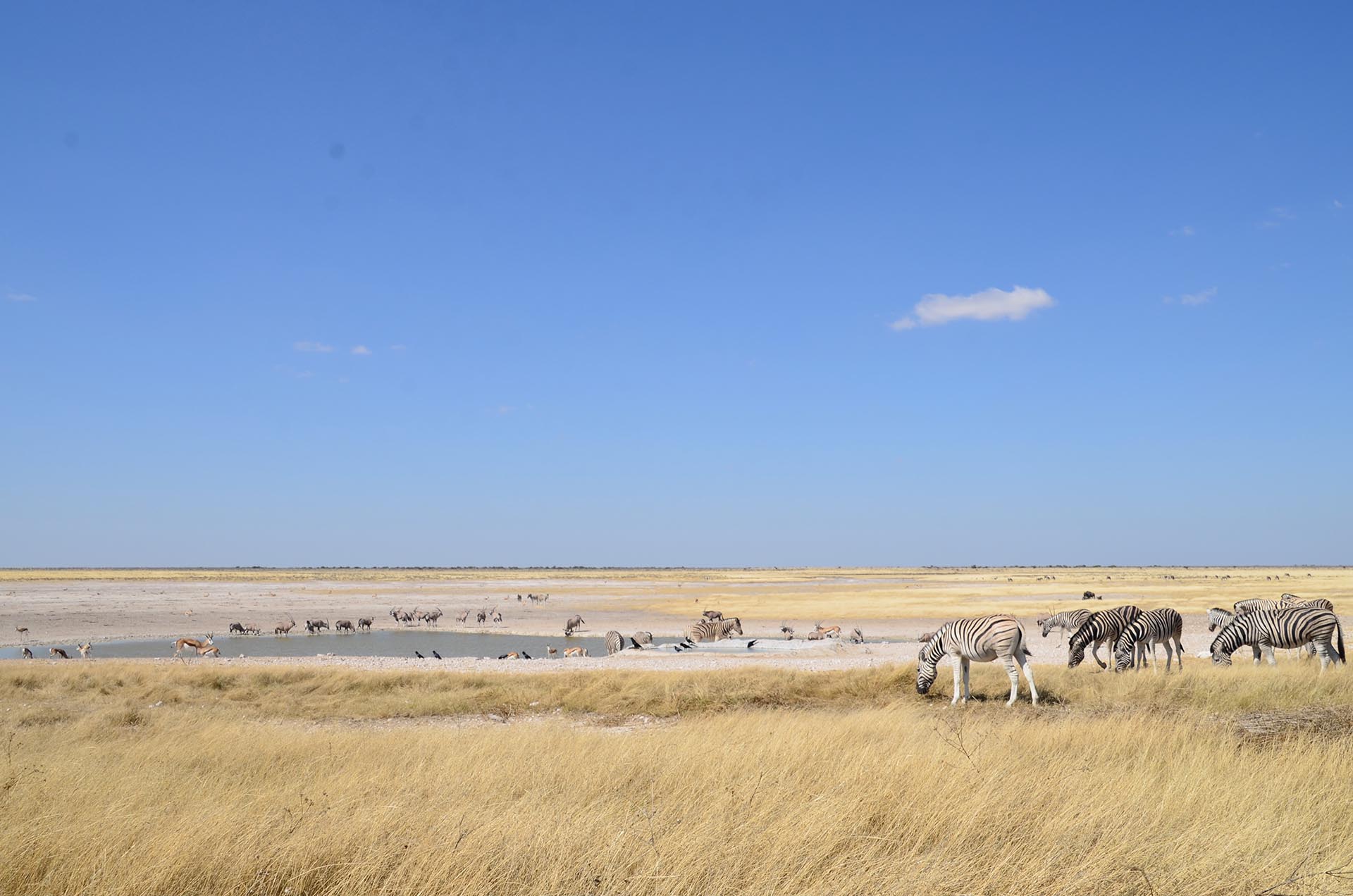
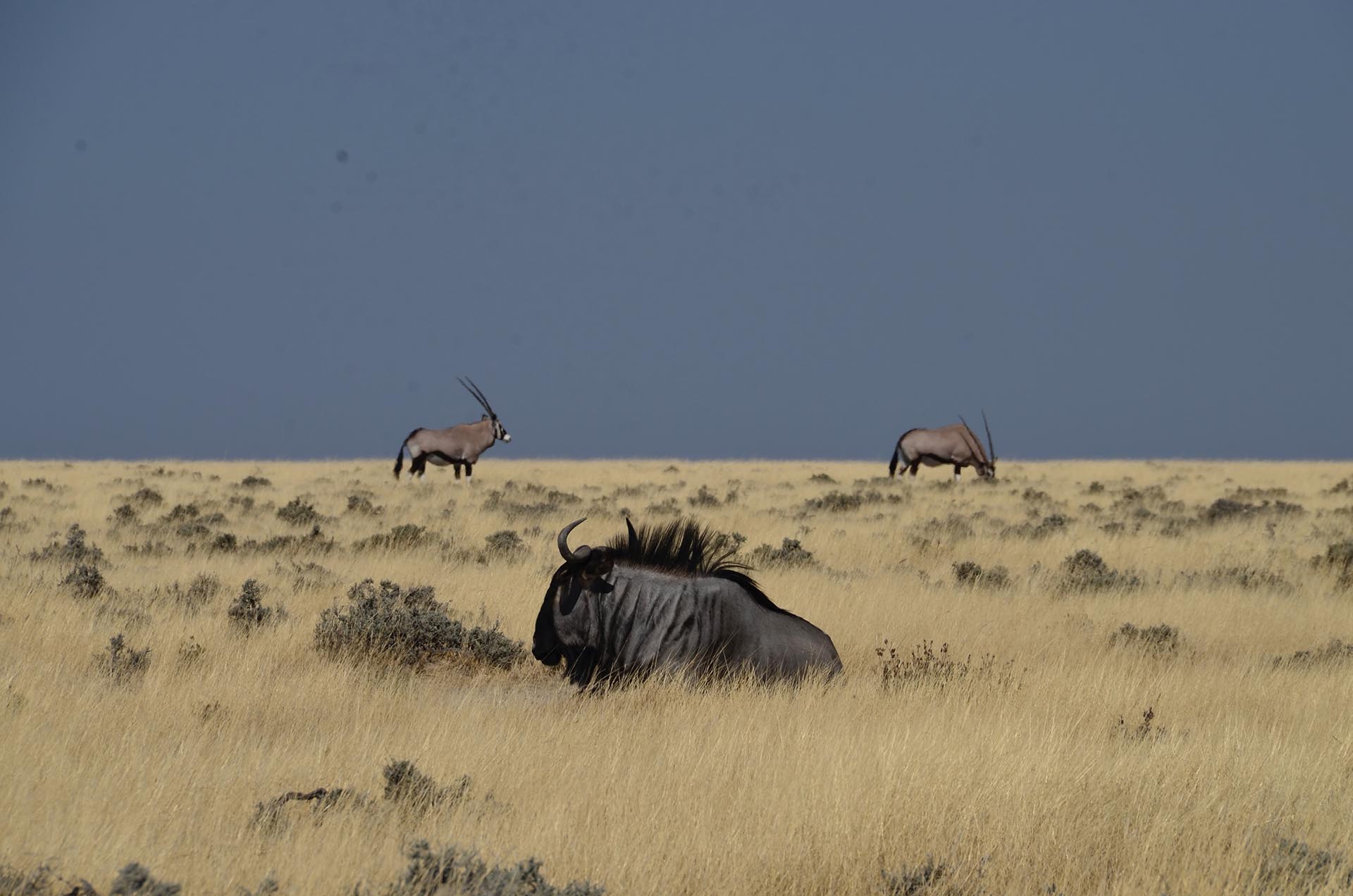
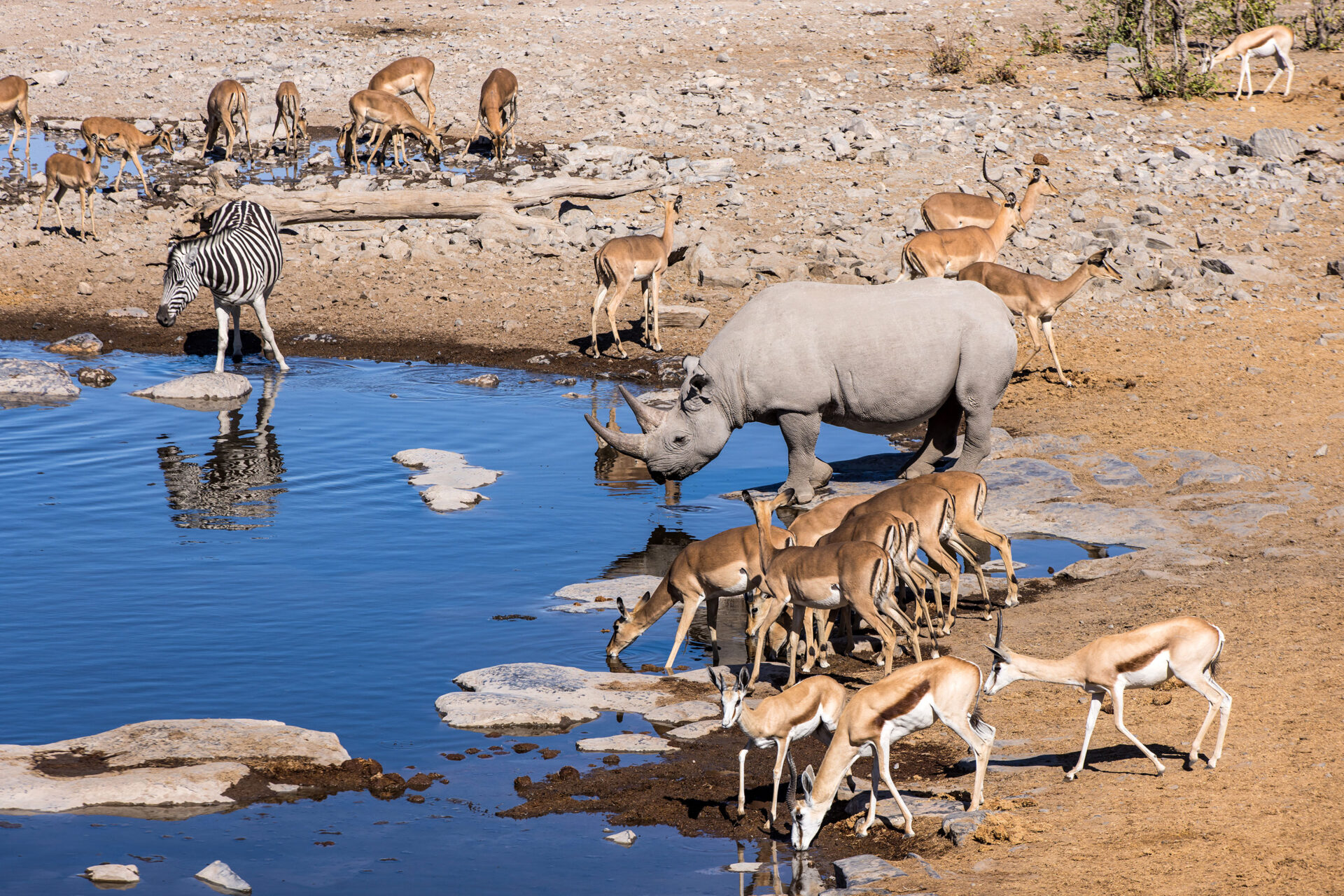
Ready to go?